Our goal
Regardless of the stage of the cancer, the goal of our cancer treatment center is always to cure
the patient, even if the odds are remote. Our oncologists are pleased to announce that even
patients with advanced colon cancer can be cured.
Although advanced cancer is incurable in many cases, we can successfully control the spread
of many cancers and provide long-term relief for patients.
We also focus on complementary care, including bone health, diet, psychological needs and
other issues faced in the healing process.
Again, our primary goal is always to seek a cure, and if there is no cure, our mission is
· Make each patient's cancer a chronic disease they can live with,
· To help our patients live as normal a life as possible,
· And keep them alive even while receiving treatment.
New Technology Brings Superior Outcomes to Cancer Patients
The past decade has seen some major achievements in the field of medical oncology. Our oncologists have previously been able to develop many new treatment options for a wide variety of cancers, and today we are able to offer multiple treatment systems at our Los Angeles treatment center, far beyond the one or two systems we used to have.
Chemotherapy: Personalized Cure for Your Cancer
While some cancer patients require a more prescriptive treatment plan, in most cases we must be able to think outside the box and create the best treatment plan for each specific patient. Some of our recent chemotherapy techniques that have been successful in our comfortable Los Angeles treatment center include:
Genomics(GENOMICS)
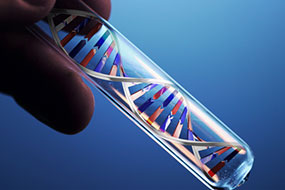
Genetic mapping allows our experts to design unique plans for specific cancers.
We have achieved amazing results over the past few years in the treatment of several common types
of cancer, largely thanks to advances in the field of genomics ("genomics" is a branch of biological
research that applies gene maps and DNA sequences to medicine researching).
By combining agents that target specific abnormalities in cancer cells with traditional chemotherapy
drugs, we have significantly and consistently improved patient outcomes.
All of this has greatly inspired the field of medical oncology, prompting us to begin to think of
"incurable cancer" as a chronic disease that is different from diabetes or arthritis and can be
tolerated by patients.
Pathology
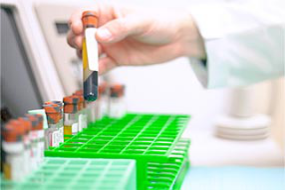
With specific tests in our laboratory, we can better understand and identify tumors.
Exciting advances in the field of pathology have improved our ability to better identify the biological
properties of specific patient tumors. This allows us to develop individualized or individualized
treatment plans for many different types of cancer. Our patients respond well to new treatments
that provide rapid remission or even cure of cancer with minimal side effects
As a result, many cancer patients today are able to live longer and maintain a good quality of life
during treatment. Many patients continue to lead normal lives after receiving a personalized
treatment plan.
Metronomic chemotherapy
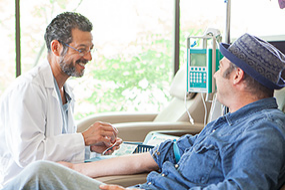
Your chemotherapy regimen is designed just for you, using the latest findings in cancer
treatment research.
"Rhythm" chemotherapy means that we schedule low-dose chemotherapy more frequently,
usually once a week, to maintain a lasting effect on rapidly dividing cancer cells and reduce
toxic side effects on normal cells.
Fasting combined with chemotherapy
This is a relatively new concept based on our understanding of the chemical properties of
living organisms themselves. When you fast, normal cells in your body go dormant and
inactive, while cancer cells continue to metabolize and divide. So if you fast for 24 hours
before chemotherapy, your normal cells will be less affected by chemotherapy, and the
treatment will have fewer toxic side effects on you, and your cancer cells will be destroyed
by chemotherapy.
The idea is subject to further analysis by the researchers, but preliminary results are encouraging.
Immunotherapy: Fighting cancer from many directions
Immunotherapy, also known as biotherapy or biotherapy, uses the body's immune system to
fight cancer. This is an exciting and promising area of cancer research and treatment. We all
know that the immune system plays an important role in the treatment of many, if not all,
cancers. For example, to our knowledge, immunotherapy has been successfully used to treat
kidney cancer and melanoma.
Immunotherapeutics are used to attack cancer cells separately or simultaneously in three ways:
blocking blood flow to cancer cells, disrupting communication between cancer cells, and
stimulating the body's immune system to attack cancer cells.
Disrupt cell communication
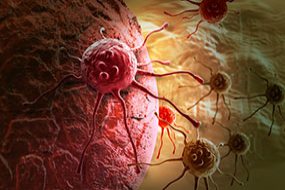
If communication between cells is disrupted, tumors stop or slow down.
We have learned that by disrupting communication between cancer cells, we can dramatically
improve the treatment of some cancers.
For example, we have used immunotherapy drugs such as thalidomide and lelimide with
remarkable success in the treatment of multiple myeloma (plasma cell myeloma). These
methods of disrupting cellular communication also have other effects on cancer cells.
Cell communication disruptors have also been shown to be effective in treating other
types of cancer, alone or in combination with other drugs.
Block the blood supply
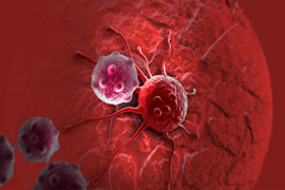
Tumor cells need to use the blood supply of the vascular structure to keep growing.
A tumor needs a blood supply to grow, so it stimulates the body and dilates blood vessels to
meet this "need". By interfering with or preventing the growth and activity of these blood vessels,
tumor growth can be slowed or stopped, and immunotherapy tends to focus on this.
Endocrine therapy

Endocrine therapy is another systemic or systemic treatment. This therapy is often used as a secondary or adjuvant treatment after radiation or surgery to reduce the risk of cancer returning. Commonly used in the treatment of breast and prostate cancer.