Telomerase factor NAD
NAD Therapy
Nicotinamide adenine dinucleotide
What is NAD?
NAD (nicotinamide adenine dinucleotide) is a metabolic co-enzyme which continuously varies between the Nad and NADH compounds in the body.
Enzymes are responsible for every activity of life. There are two primary classes of enzymes: digestive and metabolic. Metabolic enzymes are responsible for the structuring, repair, and remodeling of every cell, and the body is under a great daily burden to supply sufficient enzymes for optimal health. Metabolic enzymes operate in every cell, every organ and every tissue, and they need constant
replenishment. NAD plays an essential role in the production of ATP (Adenosine triphosphate), the basic energy molecule in the body, and has more than 100 metabolic functions in our human biochemistry.
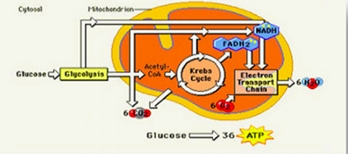
The role of NAD
As we age, our vitality declines as cells can no longer produce the energy of youth.
NAD is used by every cell in the body. Harvard researchers have shown that increasing NAD levels in mammals can
reverse several biochemical parameters associated with the aging process.
In a recent study,researchers have shown that NAD works in two distinct ways to mitigate aging. First, it increases mitochondrial activity and secondly, it activates specific sirtuins shown to regulate life span.
NAD: An Essential Component of Life
Nicotinamide adenine dinucleotide (NAD) is found in every cell in the body and is critical for regulating genes that accelerate aqing.
NAD also plays an important part in the transfer of energy released from fatty acids and glucose to the mitochondria to be converted into cellular energy.
When NAD levels decline, eneray transfer in cells breaks down, leading to mitochondrial dysfunction that results in many of the physical symptoms of aging. Fortunately, by increasing intracellular levels of NAD+, age-related mitochondrial dysfunction can be reversed.
NAD battles aging by activating key.anti-aging enzymes called sirtuins, specifically SIRT1 and SIRT3. Sirtuins contribute to longevity by favorably controlling gene expression.
SIRT1 and SIRT3 modulate multiple biological processes summarized in the table at the end of this article.
The Importance of Optimal NAD
Nicotinamide adenine dinucleotide,or NAD.is a co-factor that plavs a crucial role in many biochemical reactions.
Optimal levels of NAD are essential for the proper functioning of mitochondria, the producer of energy for the body, and sirtuins, which are enzymes known to be an integral part of the aging process.
While NAD levels decrease with age, the use of the natural compound nicotinamide riboside can restore NAD+ to healthy, youthful levels.
Raising levels of NAD has been shown to reverse key indicators of aging.
Function of NAD
Increase energy in brain cells Increase energy in heart cells Protects and repairs DNA, reducing DNA mutations which contribute to atherosclerosis, cancer, immunodeficiency, rheumatoid arthrits, and much more Lowers cholesterol Lowers blood.pressure Strengthens the immune system Stimulates production of dopamine serotonin, and noradrenaline, thereby improving moods Stimulates nitric oxide production thereby improving blood flow in the body Souce: Ronald Peters,MD,MPH.