What is genetic testing and why?
Genetic testing is the application of DNA profiling technology to physical examinations to find out the risks of all potential diseases, and to achieve targeted "early knowledge, early prevention, and early treatment."
The results of the test allow doctors to make more informed treatment decisions.
According to the WHO research report, 40% of cancer patients can be prevented from cancer through prevention.
40% can be cured through early detection and diagnosis,
20% can survive with cancer, which shows the importance of early preventive detection.

Genetic testing project
01 Cancer gene detection, accurate prediction of cancer
02 Cardiovascular and cerebrovascular disease detection
03 Pharmacogenomics and Toxicology Testing
04 Congenital constitution/allergen analysis
05 Prenatal Genetic Testing
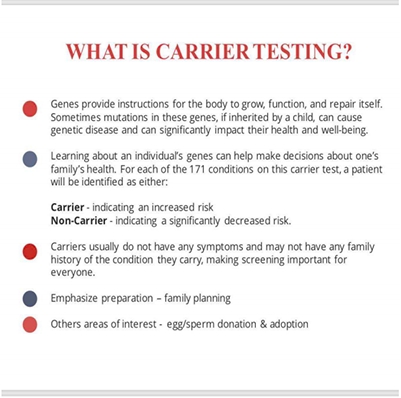
06 Carrier Screening
Our advantage
The world's most advanced laboratory testing technology
The latest generation of genome sequencing technology: NGS (State of the Art Genome Technology)
Highest Accuracy HiSeq X Sequencer
The strictest legal regulation in the world
CLIA Clinical Laboratory Improvement Act (Federal Standard)
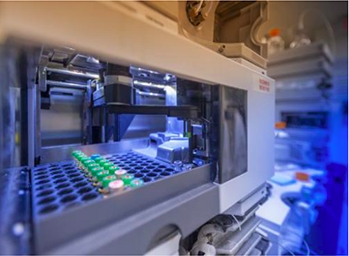
Strict legal supervision
All U.S. laboratories that perform genetic testing and share results must be CLIA (Clinical Laboratory Improvement Act) accredited.
CLIA-accredited laboratories must meet federal standards for quality, accuracy, and test reliability to ensure the safety of genetic information of test guests and prevent privacy leaks.
Authoritative report interpretation
We have a team of experts in tumor clinical, tumor pathology, tumor medicine, molecular genetics, molecular tumor pathology, etc. to interpret the test results
And combine patient cases to provide clinicians and patients with the most effective and safest treatment options.

What is hereditary cancer?
We are born with genes that may put us at risk for certain types of cancer, including breast, ovarian, colorectal and prostate cancer. If you have a genetic history of cancer, hereditary cancer, genetic cancer screening tests can help you understand your risk of developing the disease. Everyone is at risk of developing cancer, and in most cases, the disease develops by accident.
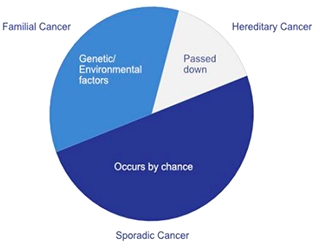
Gene mutations cause cancer
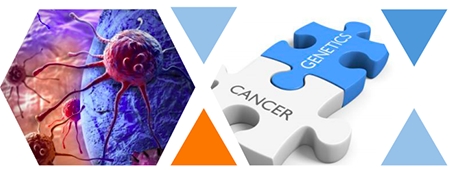
Cancer is usually caused by genetic mutations that occur randomly in one or a few cells of the body. This genetic change, called a somatic mutation, can be a natural consequence of aging or damage to the DNA of cells.
Acquired mutations exist only in certain cells of the body and are not passed from parent to child. However, in a small percentage of people with cancer, the disease is due to a different type of mutation called genetic or germline mutation. These mutations are usually inherited from one or both of the human parents and are present in nearly every cell in the body.
Because genetic mutations are present in the DNA of sperm and egg cells, they can spread in families. People with this genetic mutation don't necessarily get cancer, but they are at a higher risk of developing the disease at some point in their lives.
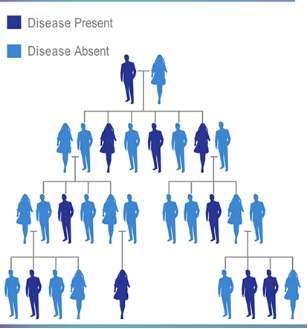
With a family history of cancer, lifelong risk of cancer
If you have a genetic mutation, your parents, your children and your siblings may have a 50% chance of having the same genetic mutation. Other relatives such as aunts, uncles, and cousins may also be at risk of carrying the same genetic mutation. Testing is the only way to identify mutations that may affect your medical management.
Remember that you can inherit genetic mutations from your mother or father, so it's important to see both sides of your family.
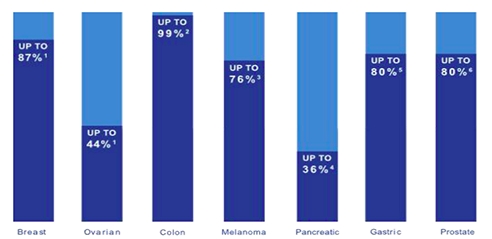
Detect 37 disease-causing genes, 18 types of cancer, and predict the occurrence of cancer in advance
Detect 37 disease-causing genes, 18 types of cancer, and predict the occurrence of cancer in advance
Comprehensive Hereditary Cancer Risk Assessment
We perform next-generation sequencing (NGS) screening for mutations known to affect an individual's risk of hereditary cancer.
The results of the test allow doctors to make more informed treatment decisions.
Early detection of cancer genes and treatment of cancer may save lives
Detecting cancer genes and treating cancer at an early stage could potentially save lives.
Screening for inherited cancer genes and early detection of cancer greatly increases the chances of successful treatment.
Cancer diagnosed early, before it has a chance to grow too large or spread, is more likely to be successfully treated. By the time symptoms appear, the cancer may have already spread and is difficult to treat.
Allergen Targeted Detection
Various pathogenic viruses and bacteria hidden in the human body cause allergic reactions, and precisely target the source of allergies
+ Adenovirus
+ coronavirus
+ Human metapneumovirus
+ Rhinovirus
+ Parainfluenza virus
+ Respiratory syncytia
+ Bordetella pertussis
+ Chlamydia pneumoniae
+ Mycoplasma pneumoniae
Prenatal genetic testing
Prenatal testing is a simple and non-invasive blood test that screens for the most common chromosomal variants that affect the health of a developing baby. This test is suitable for singleton and twin pregnancies
Who is suitable for prenatal genetic testing?
The test offers parents the option of providing quick, accurate, and important information about the health of their developing baby with little pregnancy risk.
This screening test is usually for pregnant women who meet any of the following criteria:
1. The patient was considered to be an advanced maternal age at the time of delivery
2. Patient ultrasound showing concerns or abnormalities in fetal growth and/or development
3. The patient has a personal or family history suggestive of trisomy 21,18,13 or other sex chromosome aneuploidies
4. Patients with abnormal serum screening or "positive
Toxicology Testing
Which medicines have the most side effects for you?
Drug toxicology is based on the physical and chemical properties of drugs, using the principles and methods of toxicology to comprehensively and systematically evaluate the safety of drugs and clarify their toxicity mechanisms, so as to reduce the harm of drugs to human health; guide clinical rational drug use to reduce adverse drug reactions. and reduce drug toxicity.

Pharmacogenomics
Which medicines work best for you? Help your doctor find the medicines that work best for you
Investigating the role of the genome in drug response. Pharmacogenomics analyzes how an individual's genetic makeup affects your response to drugs, helping doctors find the best medicine for you.